Property managers need gutter work organized by building, elevation, urgency and approved scope. A clear service process can separate immediate safety concerns, repair items, planned replacement and recurring maintenance.
How can gutter work be organized across a portfolio?
Requests can be grouped by property and location, then prioritized according to active damage, occupant exposure, recurring performance and planned capital work. Multi-building service is most useful when records remain consistent.
Requests property managers commonly receive
A tenant report is the starting point; the location and system condition still need to be confirmed.
- Overflow above one entrance
- Downspout damaged near parking
- Repeated leak across several units
- Seasonal cleaning at multiple buildings
- Loose components reported by occupants
- Capital replacement planning
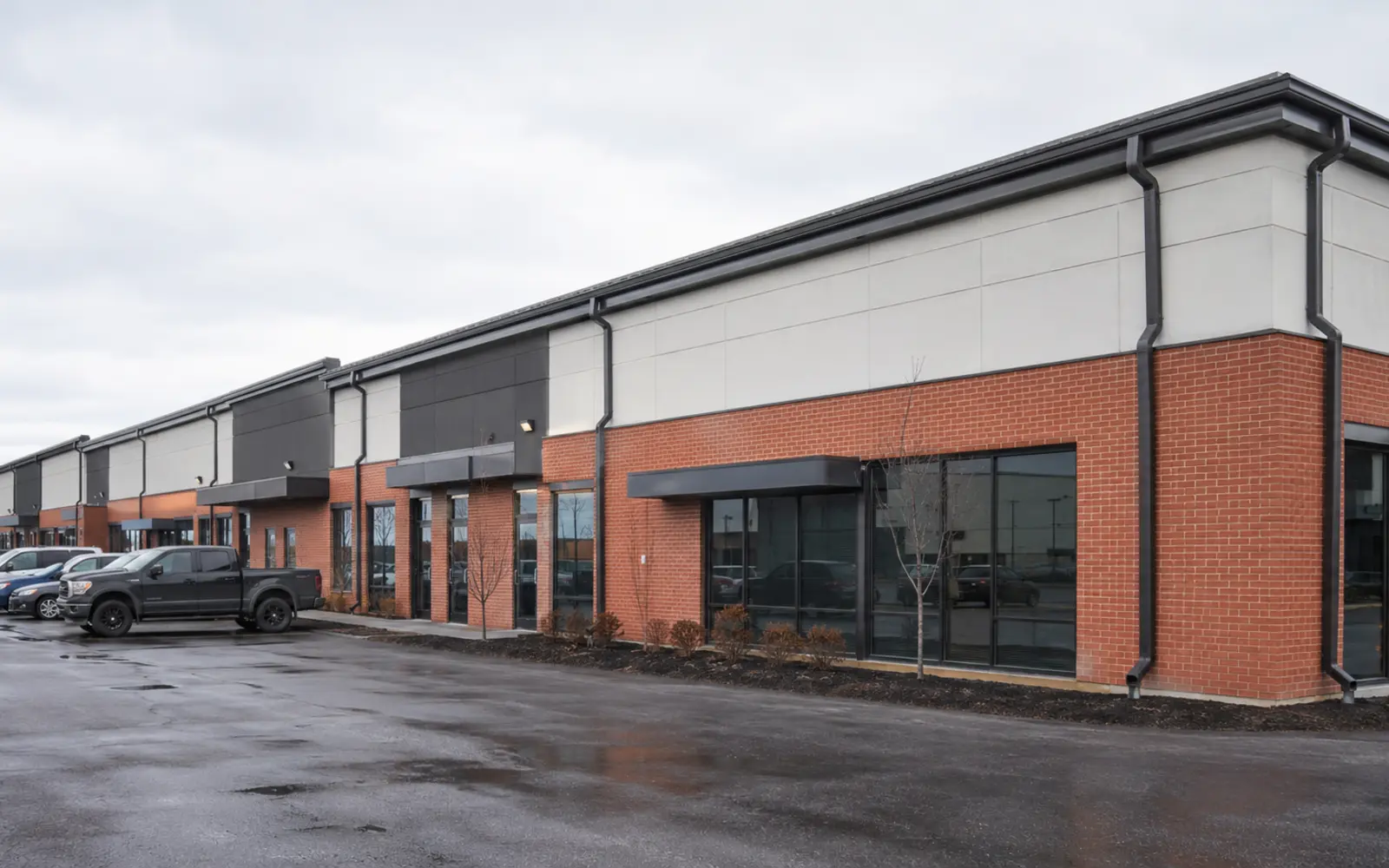
A process built around property references
Useful documentation begins with consistent location details.
Central Contact
Coordinate requests through the assigned manager or property representative.
Location Tracking
Record property, building, elevation, unit or entrance references.
Priority Review
Separate loose or actively damaging components from planned work.
Defined Estimates
Organize repair, replacement and maintenance scopes clearly.
Project Notes
Provide photographs or completion information where operationally offered.
Recurring Planning
Consider a seasonal or property-specific schedule for suitable sites.
Immediate response and permanent scope are different
A loose component may need prompt attention, while a durable replacement plan can still require measurement, material coordination and budget approval. Response priority depends on the location, condition and risk to occupied areas.
- Occupant and pedestrian exposure
- Active water entry or loose material
- Repeated repair history
- Number of affected buildings
- Capital planning timeline
- Access, insurance and documentation needs
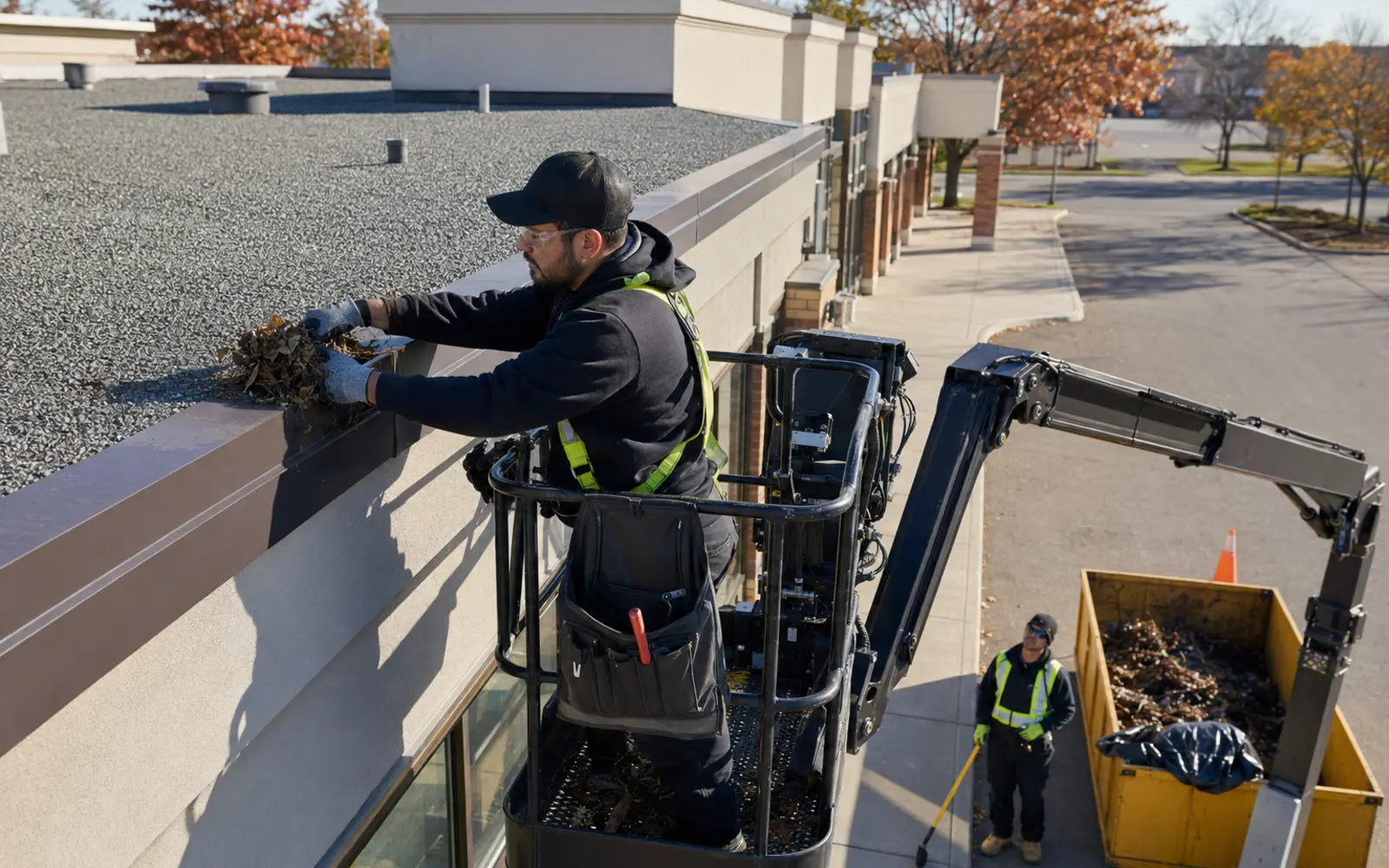
Useful priority categories
| Category | Example | Typical next decision |
|---|---|---|
| Immediate concern | Loose component over walkway | Control area and assess |
| Corrective repair | One failed outlet or downspout | Approve localized work |
| Planned replacement | Repeated failures across elevation | Budget and phase scope |
| Routine maintenance | Seasonal debris accumulation | Set useful frequency |
From work order to completion record
- Submit location
- Review priority
- Approve scope
- Coordinate access
- Record completion
Documentation and site requirements
Insurance documents, WSIB clearance, site orientations, lift requirements, purchase-order processes and warranty terms can be coordinated before work begins according to the property’s requirements.
Useful details for an estimate
- Property and building references
- Your role and contact details
- Number of reported locations
- Desired documentation
- Proposal deadline and access constraints
Property manager questions
Can several properties be included in one request?
Yes. Provide a separate address and problem description for each site so the scope remains clear.
Can estimates be separated by building?
Yes. Work can be organized by building, elevation or phase where the project allows.
Can recurring maintenance be arranged?
A site-specific maintenance schedule can be discussed based on debris, access and prior issues.
Do you work with purchase orders?
Include purchase-order and invoicing requirements with the service request so they can be reviewed before the work is scheduled.
Can tenant reports be used to request service?
Yes, but the request should include the property, building, elevation and nearest unit or entrance so the location can be verified.
Managing one property or several buildings?
Send the property references, reported problems and the way you would like the estimate organized.