Commercial gutter maintenance can be a recurring property-management function rather than a one-time reaction to overflow. The useful schedule depends on surrounding trees, roof layout, prior blockages and safe access.
What can a commercial maintenance visit include?
A defined visit may include accessible debris removal, visible outlet and downspout checks, condition notes, work-area cleanup and photographs where offered. Repairs, roof work and internal drain service should be scoped separately.
Properties that may benefit from planned maintenance
A recurring plan is most useful when the site has predictable debris or repeated outlet blockage.
- Plazas near mature trees
- Long low-rise industrial rooflines
- Multi-residential developments
- Repeated seasonal overflow
- Gutter guards requiring surface inspection
- Several buildings under one manager

Maintenance organized for the property
The scope can be defined by elevation, building or portfolio.
Service Map
Identify included buildings, elevations and roofline components.
Access Plan
Define lift, platform or other access needs and controlled work zones.
Debris Removal
Remove accessible gutter or guard debris included in the visit.
Outlet Check
Review visible points where water enters downspouts.
Condition Notes
Record visible sagging, leaks, damage or loose components.
Scheduling
Plan one-time, seasonal or property-specific recurrence where offered.
Frequency should follow the property conditions
An annual visit may be enough for one site and inadequate for another. Tree cover, roof shape, debris type, prior overflow and the importance of entrances or pedestrian areas affect timing.
- Seasonal leaf and seed cycles
- Number of buildings and roofline length
- Outlet blockage history
- Guard systems present
- Lift or access requirements
- Snow and winter icing concerns
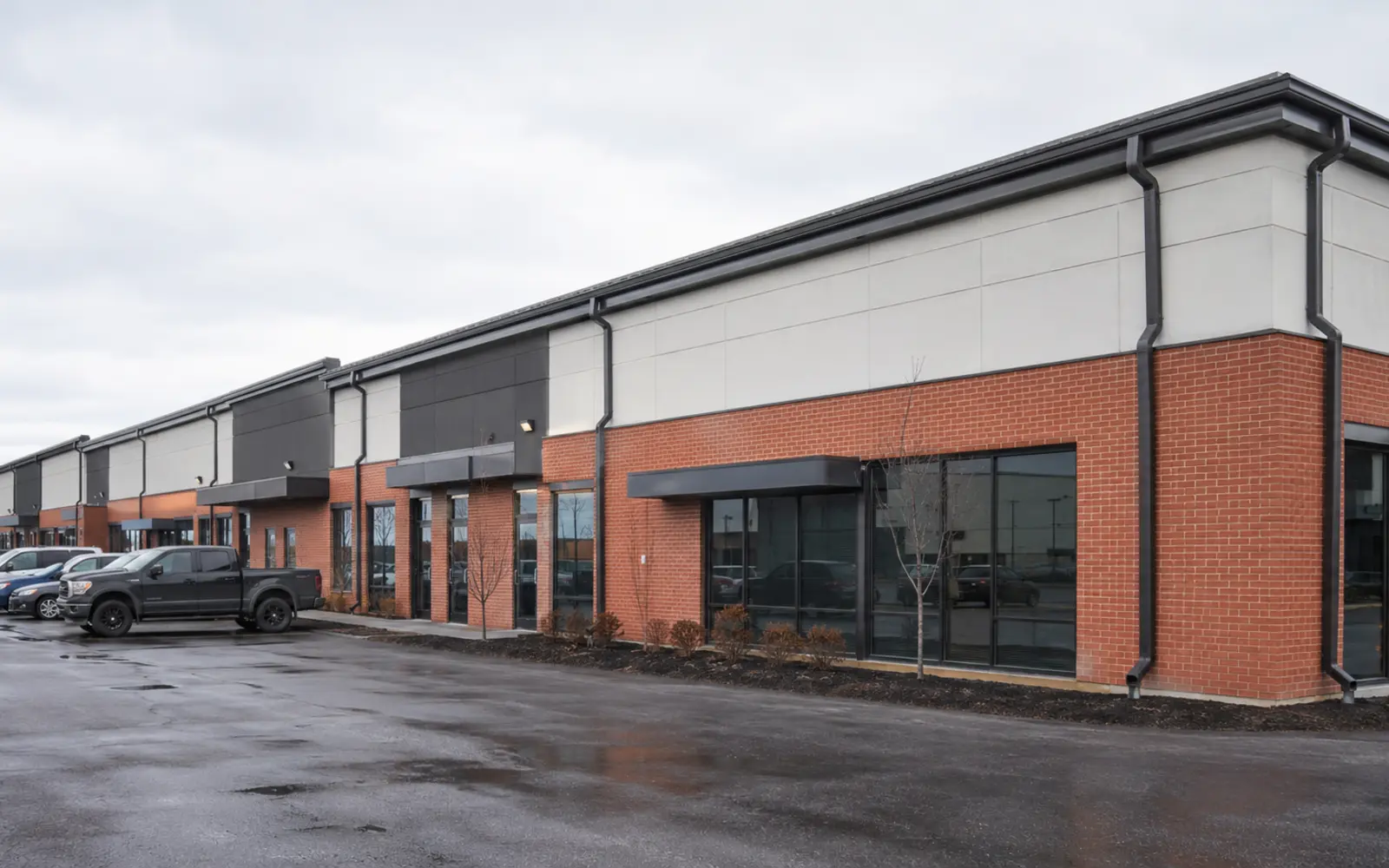
Choosing a maintenance approach
| Property condition | Possible frequency | What to review |
|---|---|---|
| Limited debris history | Annual review may be considered | Confirm after inspection |
| Mature trees nearby | Spring and fall may be useful | Debris timing and species |
| Repeated blockages | Property-specific schedule | Cause and guard options |
| Multiple buildings | Rotational or grouped plan | Consistent records and access |
A repeatable maintenance workflow
- Define sites
- Plan access
- Complete maintenance
- Record concerns
- Schedule next review
Maintenance reports should be described accurately
Photographs and condition notes are not engineering reports or roofing certifications. The agreed scope should state exactly what documentation is included.
Useful details for an estimate
- Number and type of buildings
- Approximate height and access
- Tree and debris conditions
- Preferred one-time or recurring service
- Required documentation and scheduling
Commercial maintenance questions
How often should commercial gutters be cleaned?
Frequency should be based on debris, roof layout, previous blockages and property risk rather than a universal calendar.
Can several buildings be serviced together?
Yes. A grouped or rotational scope can be considered for managed portfolios and multi-residential properties.
Are photographs available?
Photo documentation can be included in the agreed scope. Exact locations and deliverables should be stated in the estimate.
Does maintenance include repairs?
Not automatically. Visible concerns can be noted, but repair work should have its own approved scope.
Can work be scheduled around business hours?
Yes. Scheduling constraints can be discussed during planning. After-hours availability depends on the approved project schedule.
Plan commercial gutter maintenance
Tell us how many buildings are involved, the roofline height, debris conditions and preferred service frequency.